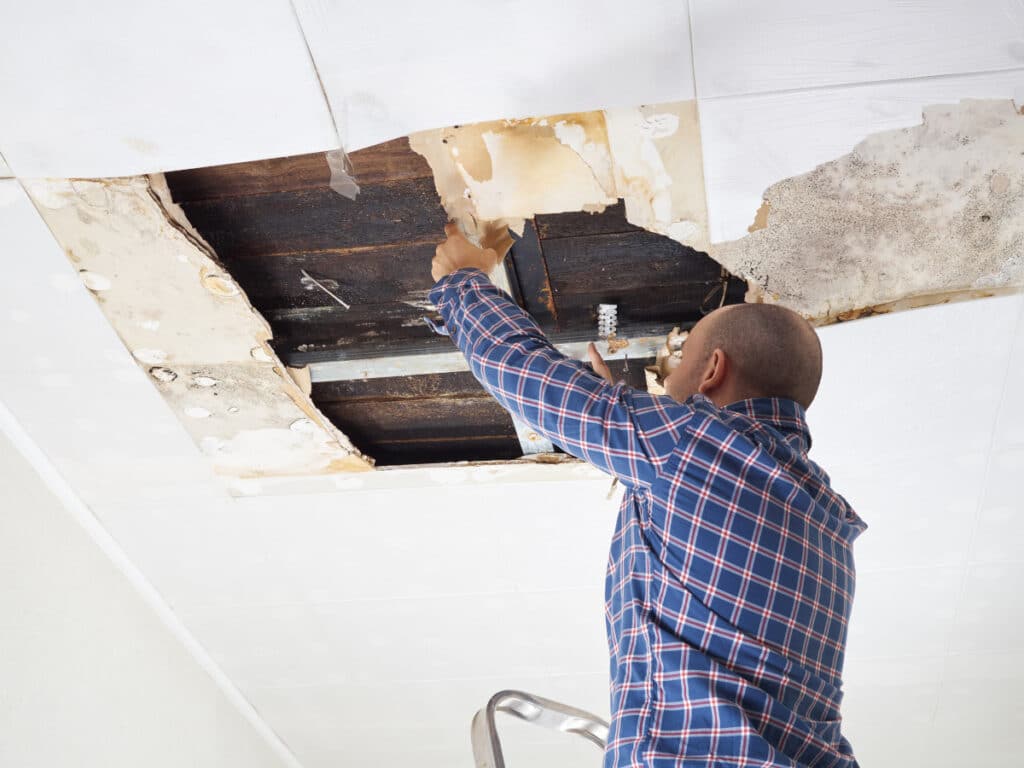
The Unwelcome Houseguest: Handling Water Damage in Your Edmonton Home
Buying a new house in Edmonton is exciting, but discovering water damage shortly after moving in is a homeowner’s nightmare. Whether you are in a brand-new build in the suburbs or a “new-to-you” property in a mature neighborhood, water is the number one enemy of your home’s longevity (and your drywall).
At www.drywalledmonton.ca, we often come in after the leak is fixed to repair the damage. We want to help you spot these issues early so you can save your walls and ceilings.
Here is a guide to identifying and dealing with the most common water issues we see in the Edmonton area: Attic Rain, Bathtub Leaks, Poly B, and General Plumbing.
1. The “Attic Rain” Phenomenon
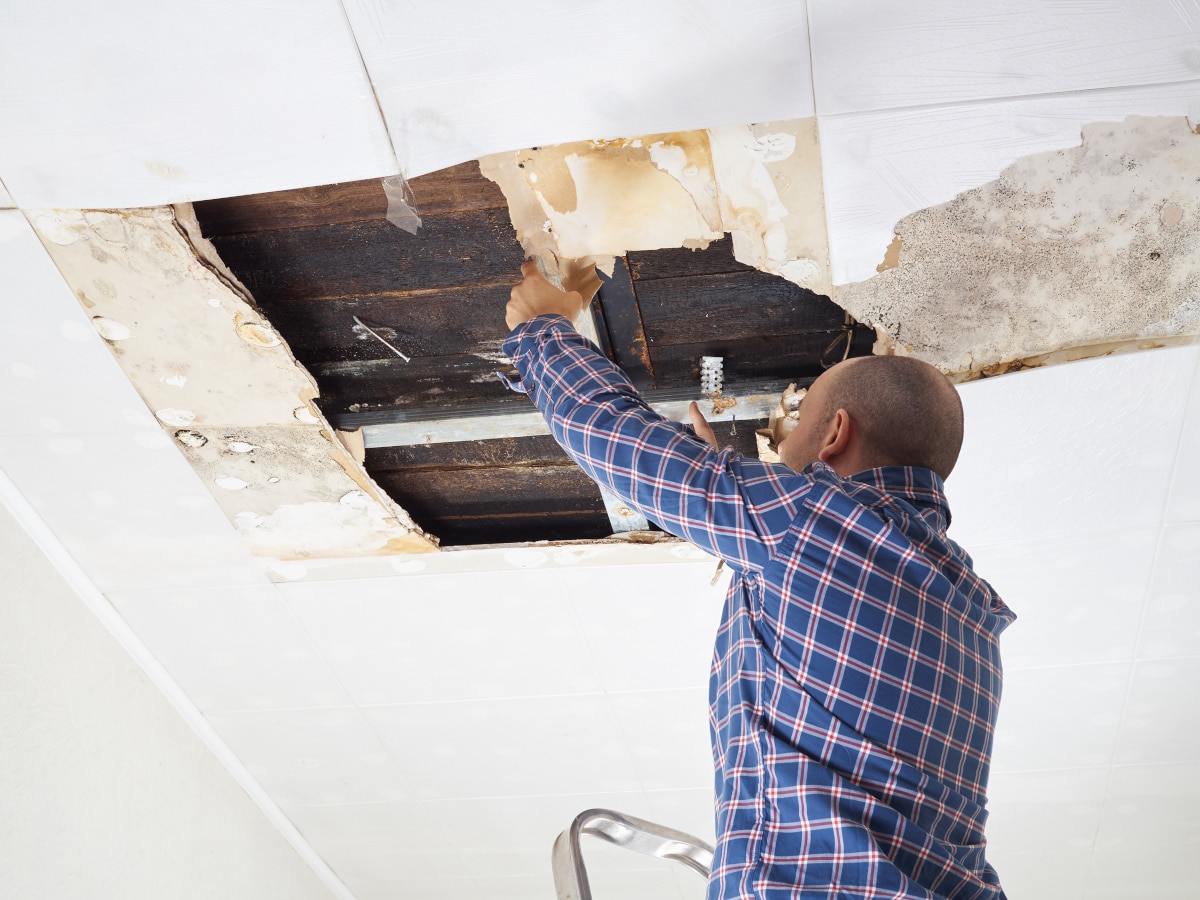
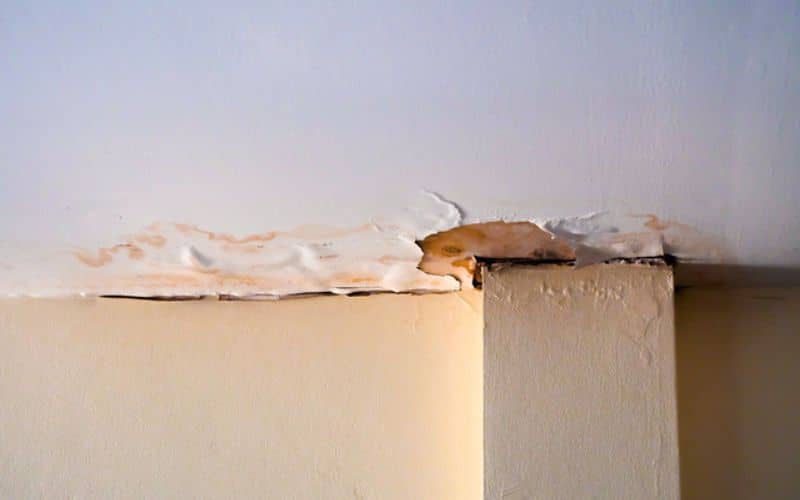
If you live in a newer, energy-efficient home in Edmonton and see water stains on the ceiling during a Chinook or spring thaw, you are likely dealing with “Attic Rain.”
-
What it is: It looks like a roof leak, but it usually isn’t. In tightly sealed modern homes, warm, humid air from the house escapes into the cold attic. During our -30°C cold snaps, that moisture freezes on the underside of the roof sheathing. When the weather warms up, that frost melts and “rains” down onto your insulation and ceiling.
-
The Signs: Water stains on the ceiling during sudden temperature warm-ups, usually near light fixtures or bathroom fans.
-
The Fix: This is a ventilation and humidity issue.
-
Lower your indoor humidity during deep freezes and run you HRV.
-
Ensure bathroom fan vents are sealed and insulated properly so they don’t leak warm air into the attic.
-
Make sure you attic hatch and ceiling penetrations are sealed tight
-
2. Bathtub and Shower Leaks
In new Edmonton builds, leaks here are often due to “settling.” In older homes, it is usually seal failure.
-
The Grout & Caulk Trap: As a new house settles on our clay soil, the framing shifts slightly. This can cause the grout or silicone caulking in corners to crack. Water seeps behind the tile and rots the drywall.
-
Check: Look closely at the corners of your shower. If the caulk is peeling or the grout has hairline cracks, re-seal it immediately.
-
Check all your drain seals in the locations you see the stain. Often is a bad seal or simply someone forgot!
-
-
The “Overflow” Test: Sometimes the drain is fine, but the overflow gasket (the silver circle higher up in the tub) is loose.
-
Check: Fill the tub past the overflow drain. If water appears on the ceiling below, your overflow gasket is likely not sealed against the tub shell.
-
3. The “Poly B” Nightmare (Homes Built 1978–1995)
If your “new” house was built between the late 70s and mid-90s, you need to check for Polybutylene (Poly B) piping.
-
What it is: A gray plastic supply pipe used heavily in residential construction. It is no longer code-compliant in Alberta.
-
The Danger: Poly B reacts with chlorine in municipal water, causing the pipes to become brittle and flake from the inside out. They rarely leak at the joints first; they tend to burst suddenly along the pipe wall, causing massive drywall damage.
-
The Solution:
-
Inspect: Look for gray pipes near your hot water tank or under sinks.
-
Insurance: Check your policy. Many insurers require a higher deductible for water damage if you have Poly B.
-
Replace: The only true fix is a full re-pipe with PEX.
-
4. General Plumbing Issues in New Builds
Just because a house is brand new doesn’t mean the plumbing is perfect. Human error happens.
-
Loose Compression Fittings: The supply lines under your kitchen or bathroom sinks often use compression fittings. If these were hand-tightened but not wrench-tightened, they can slowly drip.
-
Tip: Run your finger along the supply lines under every sink in the house during your first week.
-
-
Construction Debris: Sawdust or drywall dust can fall into drains during construction, leading to slow drainage or backups in the first few months.
What To Do If You Find Water Damage
-
Stop the Flow: Know exactly where your Main Water Shut-off Valve is. Turn it off immediately.
-
Dry It Out: Use fans and dehumidifiers. You cannot repair drywall until the structure behind it is 100% dry to prevent mold.
-
Call The Pros: Fix the plumbing issue first.
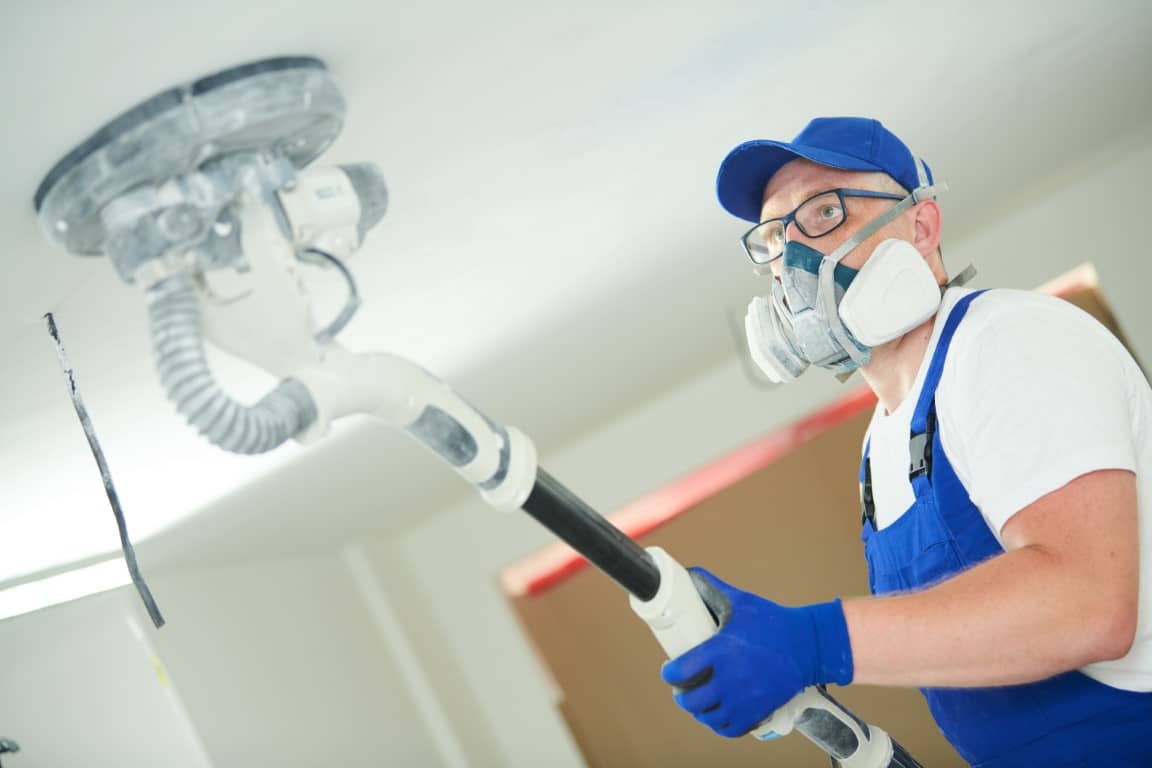
Once the leak is fixed and the area is dry, that’s where we come in.
Whether it’s a water stain from attic rain or a hole cut to fix a Poly B pipe, Drywall Edmonton can restore your walls and ceilings so you never knew the damage was there.
Need a quote for a repair? Visit us at www.drywalledmonton.ca.